
Exotic Coffee,
Single Origin
We select the best microlots from every coffee-growing corner of Colombia and bring them directly to those who value a premium, honest, and deeply Colombian experience.
What Makes This Coffee
Different?
Most coffee on a supermarket shelf is an anonymous industrial blend: beans from many countries, harvests and qualities, mixed and roasted dark to taste the same all year. Ours is the exact opposite. Here is what that means, in plain words.
Coffee produced this way, in small, traceable batches, is called a microlot. It's the only coffee we sell.
Graded, Not Anonymous
Every coffee we sell is cupped by independent certified tasters and scores above 80 SCA points, the international threshold for specialty grade. Commodity coffee is never graded at all.
Picked by Hand, at Peak Ripeness
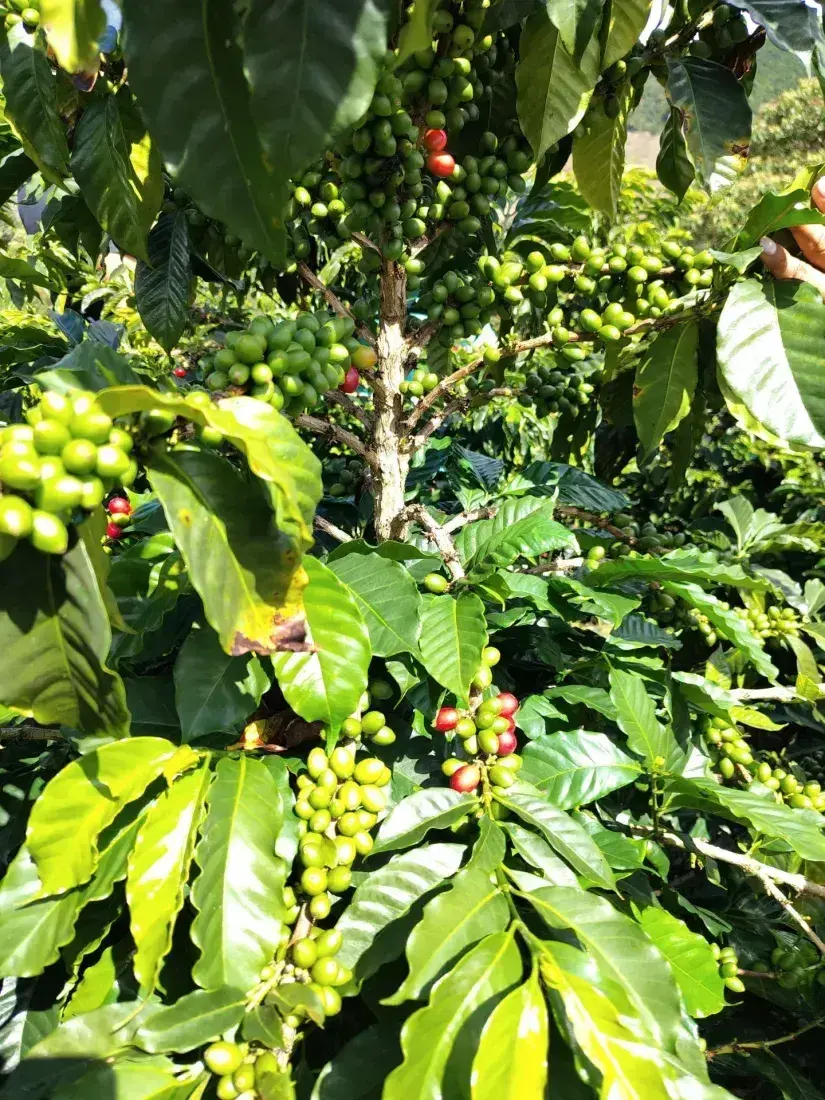
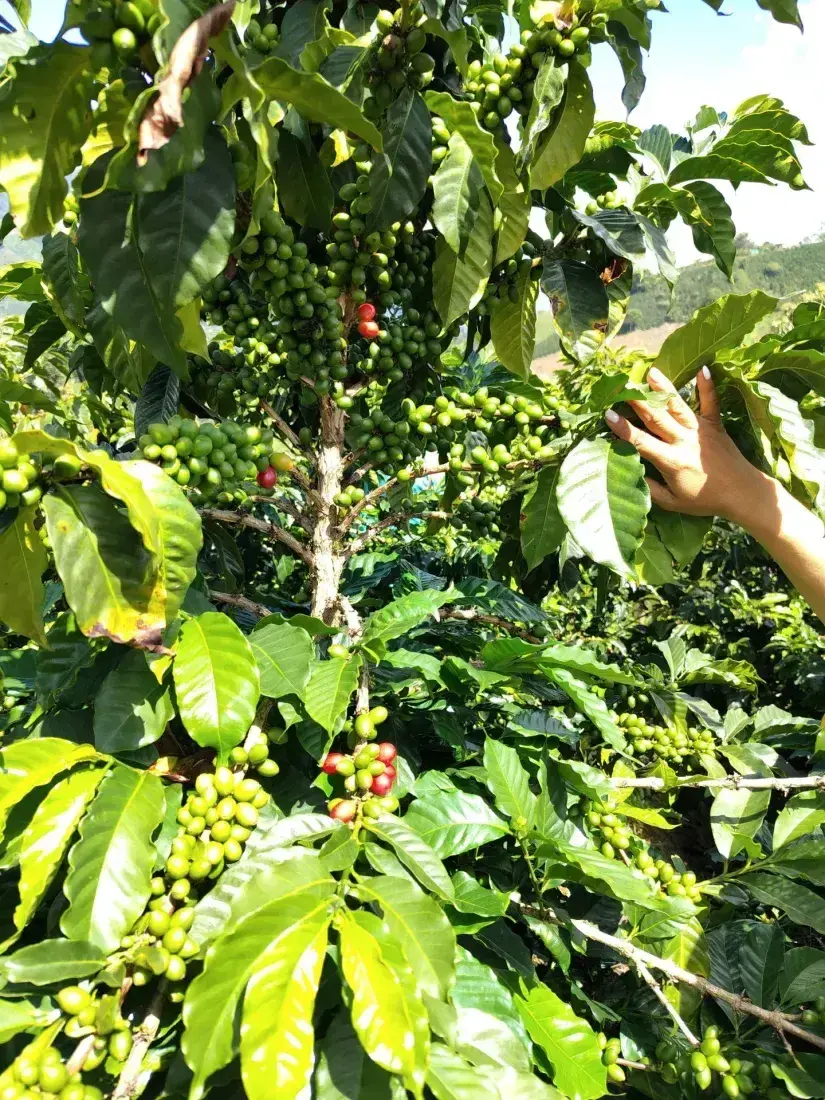
Our cherries are selectively hand-picked, one by one, only when fully ripe. Industrial coffee is strip-harvested by machine, ripe and unripe fruit together, and you taste the bitterness that follows.
Traceable to One Farm and Harvest
Each bag comes from a single lot, a single partner farm and a single season, and we can tell you exactly which. A standard blend can't even tell you what country half its beans came from.
More Added Value
Small lots, manual harvests and farmers paid well above the commodity price all add real value to what ends up in your cup. What you get back is a cup with flavors no industrial blend can reach.
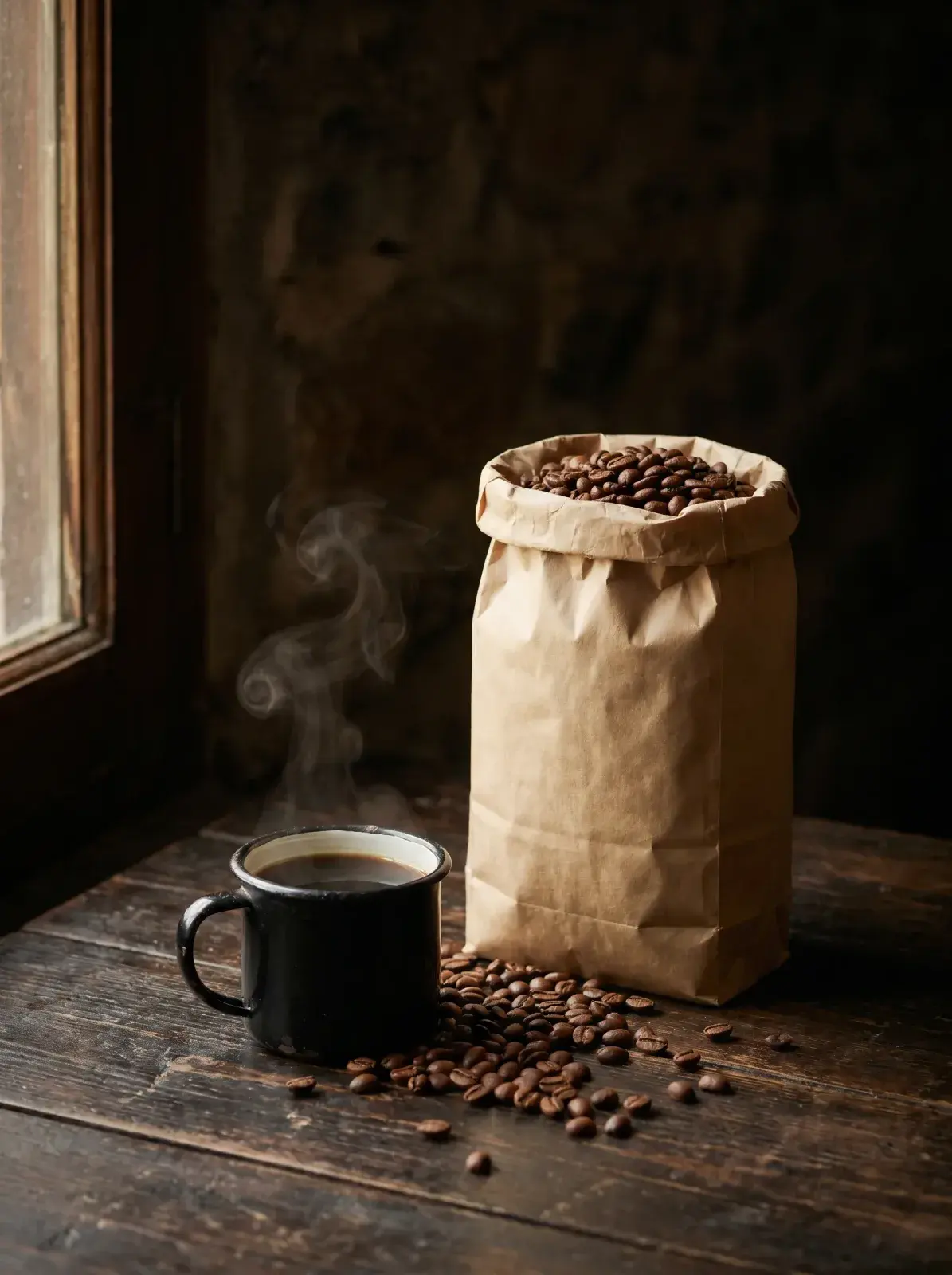
It All Began with a Nameless Bag
A coffee reached our hands without a logo, without a brand, with no visible story. We prepared it almost out of curiosity, and at the first sip, everything changed. It was an explosion of flavors we had never experienced before: complex, deep, vibrant notes, completely different from the coffee we had drunk our entire lives.
That moment ignited a question we couldn't ignore: where does Colombian coffee really come from? The answer led us to travel through the country's coffee-growing regions and to discover the universe of high-specialty coffee: microlots cultivated with precision, harvested at the exact point of ripeness, with unique flavor profiles determined by the altitude, soil, and climate of each region.
What Does Piedralipe Mean?
Piedralipe was a family donkey that accompanied us in our childhood. A tireless worker, hard-working and humble, patient with any load. It carries a genetic legacy tracing back to our great-grandfather. In Colombia's coffee farms, the donkey is not a decorative symbol: it's a real companion. It carries the bags of cherry coffee from the plantations to the processing mill when the roads won't allow more. It climbs up and down mountains that no machine can reach.
This is how we understand specialty coffee: not as a distant luxury, but as the honest fruit of the labor of peasant hands. Effort, patience, humility, and joy; the same qualities that the best Colombian coffee has, and the same ones with which we build this brand.
Castillo
Developed by Cenicafé over 23 years of research and released in 2005, Castillo is a cross between Caturra (a natural mutation of Bourbon) and the Timor Hybrid, a spontaneous Arabica–Robusta hybrid from which it inherits its leaf-rust resistance. It was born out of necessity during the devastating rust crisis that swept Colombia in the 1980s. Today it accounts for 40% of the country's coffee production, with six regional variants adapted to different climates and altitudes ranging from 1,400 to 2,000 meters above sea level. In the cup it delivers structured citric acidity, clean sweetness, and notes ranging from caramel and chocolate to gentle spice that reflect the volcanic richness of its soils. Resilient, high-yielding, and capable of scoring above 85 points, Castillo proves that scientific rigor and exceptional quality can go hand in hand.
 Washed
 Honey
Honey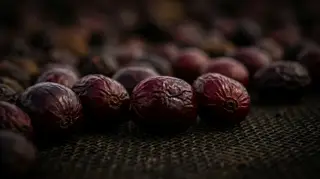 Natural
Geisha
An Ethiopian landrace from the Gori Gesha forest, introduced to Panama as accession T2722, Geisha burst onto the specialty coffee scene in 2004 when the Peterson family presented it at the Best of Panama competition, breaking every known auction record at the time. Grown between 1,600 and 2,100 meters above sea level in volcanic soils with steady rainfall, its slow maturation at altitude concentrates an unmatched complexity: jasmine and bergamot florals, bright acidity, a silky tea-like body, and notes of ripe yellow and tropical fruits. In Colombia, the highlands of Huila, Quindío, and Antioquia offer ideal conditions for its profile to reach full expression. With cup scores of up to 98/100 and record auction lots reaching over US$13,000 per kilogram, Geisha stands as the most coveted variety in specialty coffee worldwide.
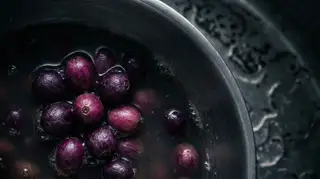 Anaerobic
Pink Bourbon
Pink Bourbon is specialty coffee's most beautiful misunderstanding. Discovered among the pink-ripening cherries of Huila's high valleys, it was long believed to be a cross of Red and Yellow Bourbon, until genetic testing revealed it is no Bourbon at all, but an Ethiopian landrace: a closer relative of Geisha than of any Latin American variety, and a suspected cousin of our Papayo. Thriving between 1,500 and 2,000 meters above sea level, it has become the defining variety of modern Colombian specialty coffee, collecting Cup of Excellence placements and barista championship titles along the way. In the cup it is all brightness and perfume: expressive florals, a sparkling citric acidity, and a delicate, layered sweetness over a silky, tea-like body.
Papayo
Papayo is one of Colombia's rarest varieties, originating in Acevedo, in the highlands of Huila, where it reaches its finest expression between 1,400 and 2,000 meters above sea level. Its name comes from the elongated shape of its cherries, resembling a small papaya, and it is often sold as “Bourbon Papayo”, though its genetic identity is still being studied. It is likely a Bourbon mutation, possibly related to Pink Bourbon and Ethiopian heirloom varieties, but no genetic testing has confirmed this yet. That mysterious origin is part of its allure in specialty coffee circles. It produces large, dense beans that translate into an intensely sweet, silky cup of delicate florals, layered cane-sugar sweetness, and fresh fruit nuances that shift from lot to lot, with anaerobic fermentation lots that have made their mark on the international stage. With its complex flavor profile, high yield, and adaptability across different processing methods, we invite you to taste what is emerging as the new favorite in high-end specialty competitions.
Standards Already Exist.
We’re Not Interested in Repeating Them.
Microlots allow us to curate small and precise batches from the finest producers and farms across Colombia’s coffee regions. Each represents a single harvest from a single farm and season, where every variable is controlled and the result in the cup is exceptional and unique. When they’re gone, they’re gone for good. It is 100% pure coffee, with no additives, no preservatives, no blends. And its internationally recognized cup scores confirm it’s not just a brand narrative but a reality in every sip.
May the Origin Be the Most Valued of All
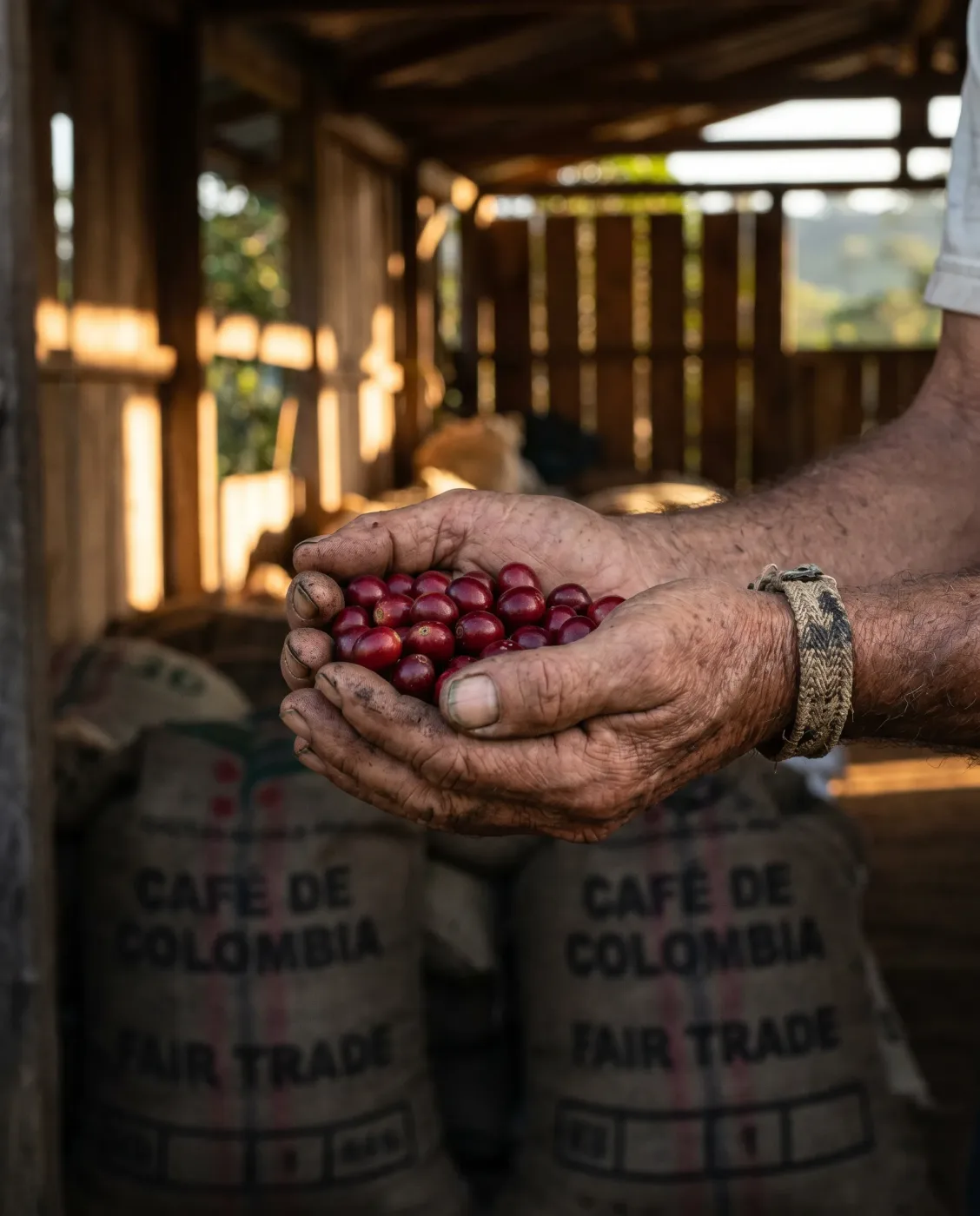
Behind every bag of Piedralipe is a farmer who rises before the sun, who cares for each plant as if it were the only one, and who has perfected their process over years of effort and love for the craft. Our commitment to them is clear: a fair price that honors their work, technical assistance to continuously improve their process, and the necessary resources to sustain and elevate the quality of their harvest.
We buy with conscience. We sell with pride. Connecting two worlds that should always have been closer.
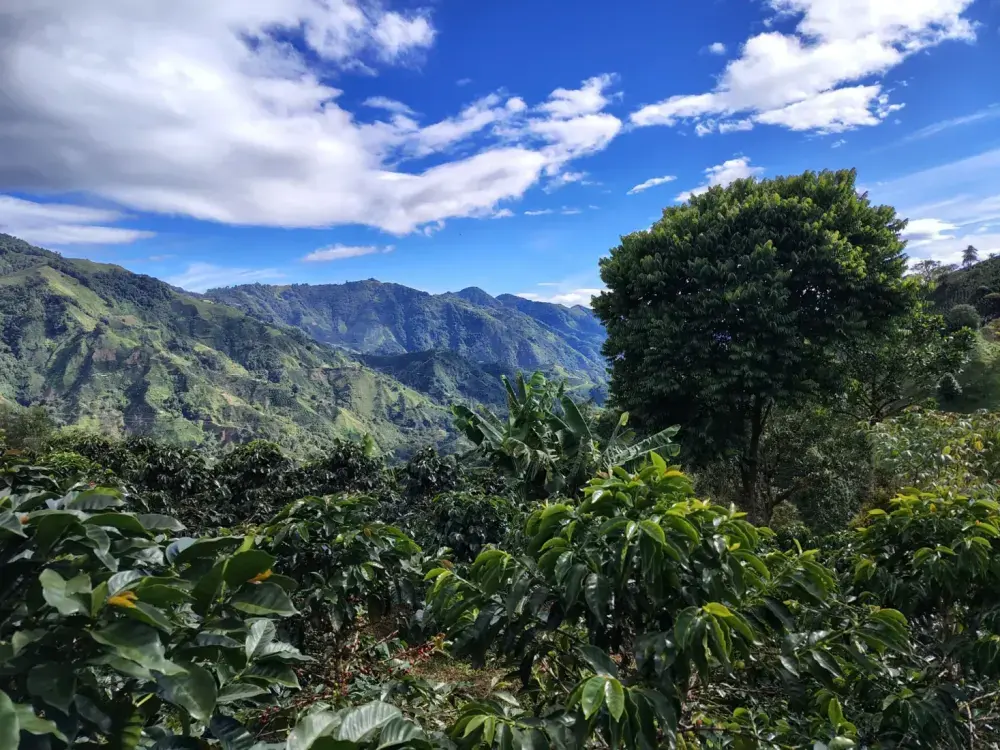
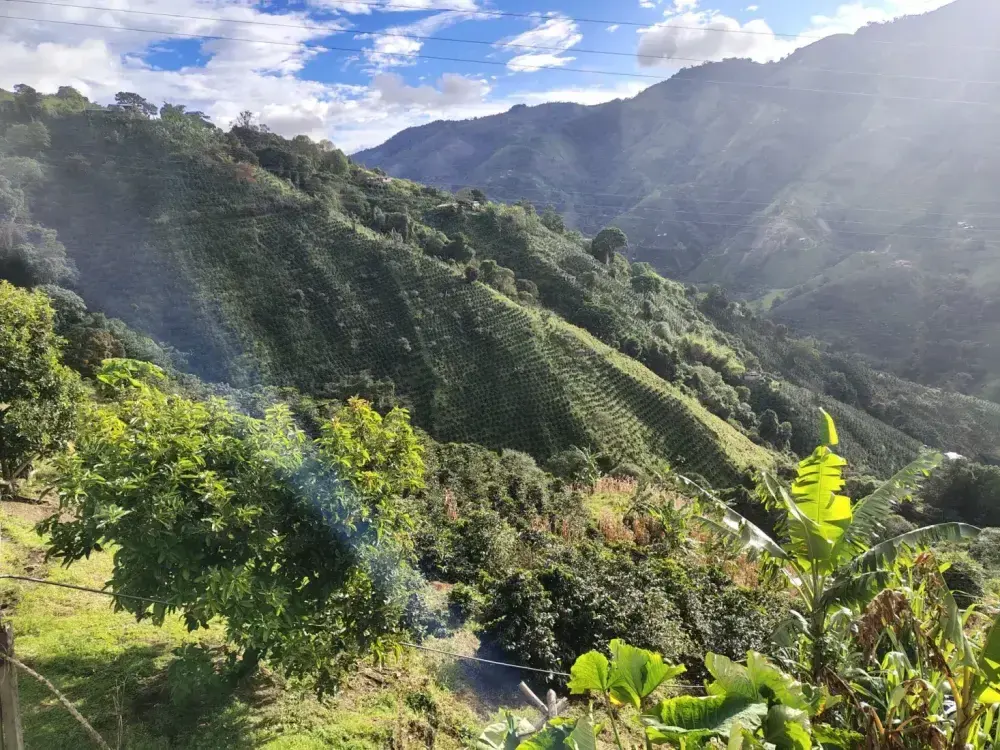
Where Every Sip Begins
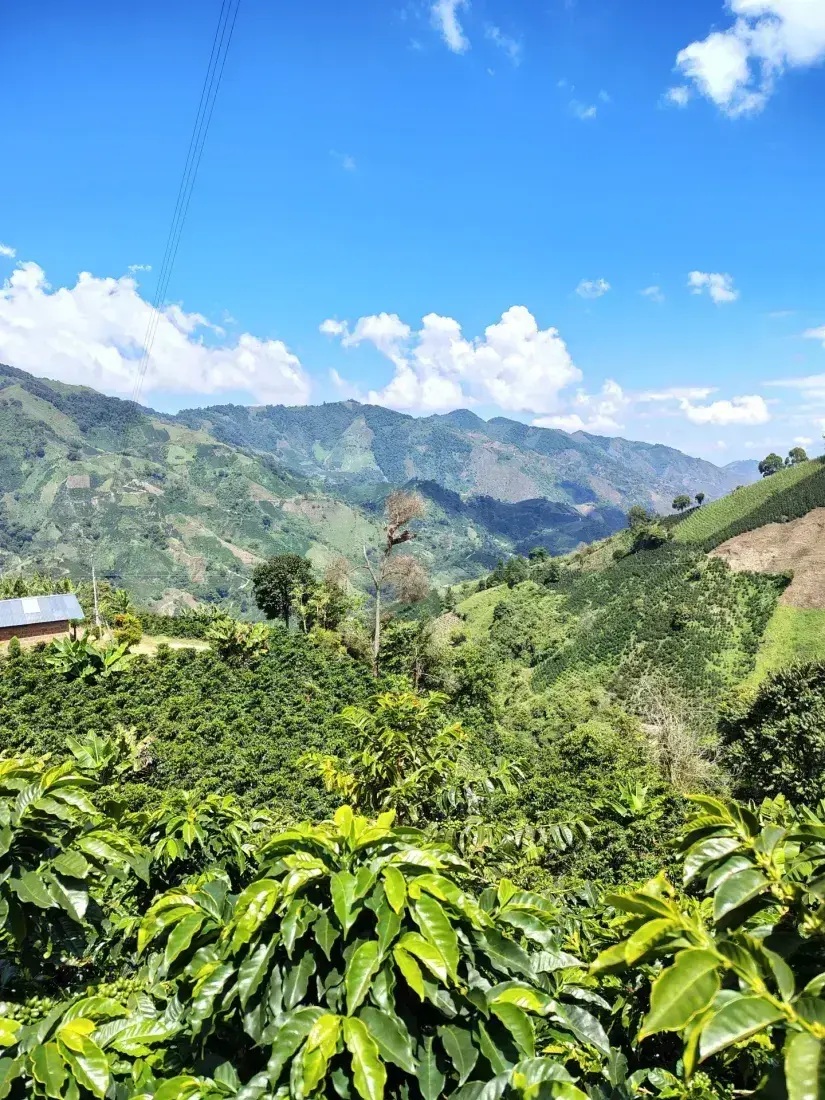
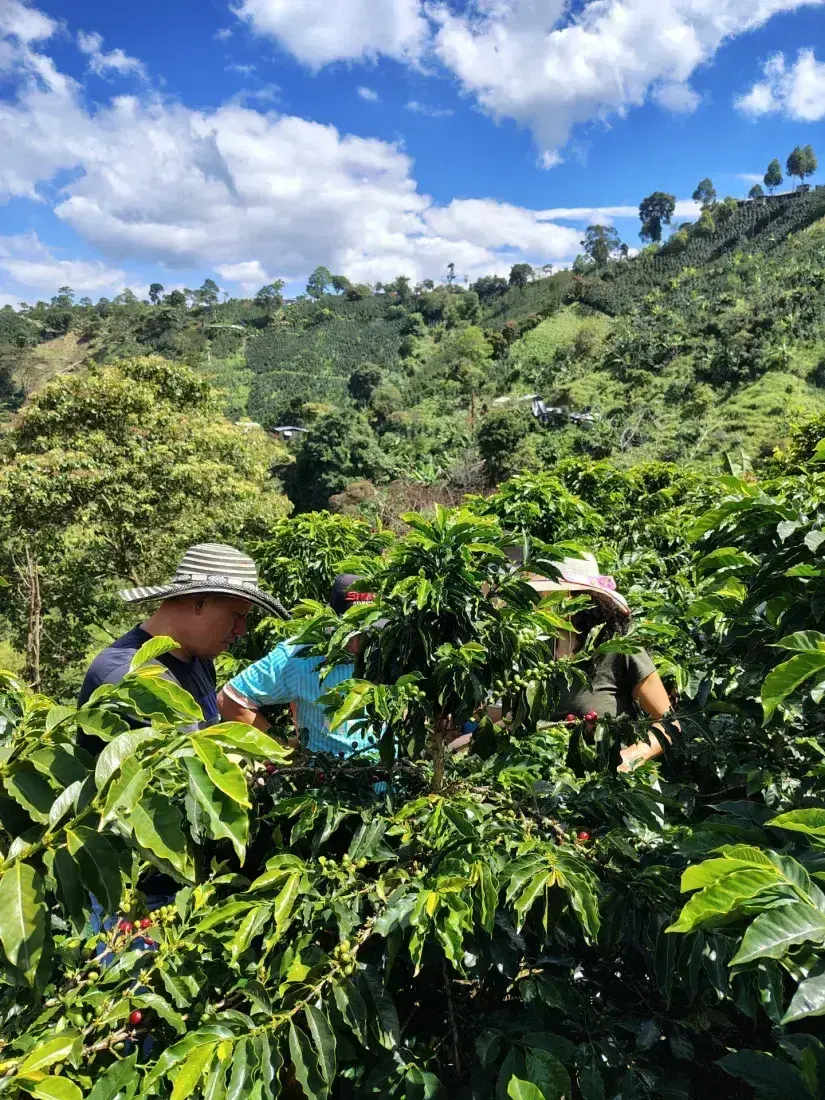
scroll to explore
Piedralipe Founders
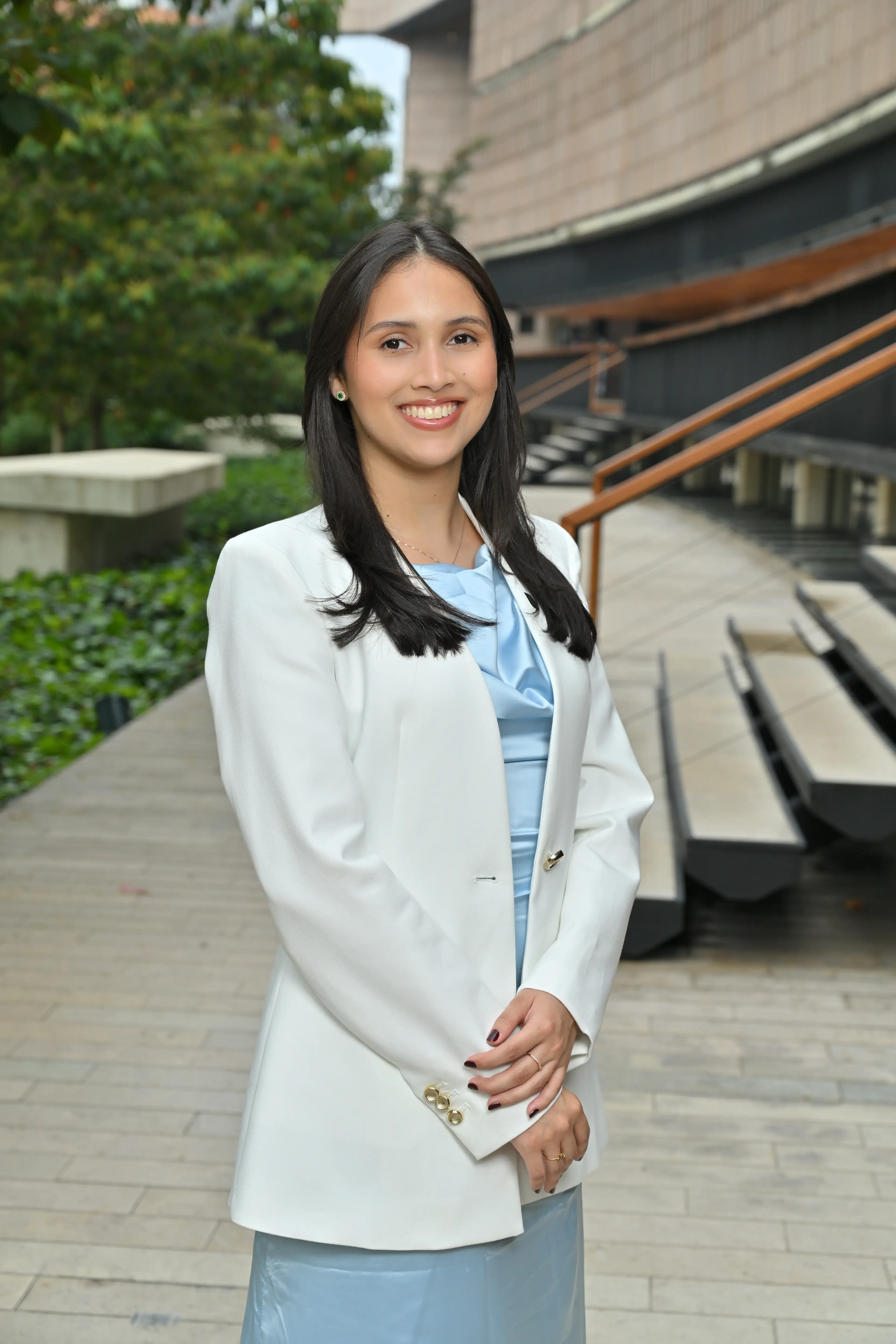
Daniela Hernandez
Co-Founder · CEO

Rafael Hernandez
Co-Founder · CFO

Jan Hoffmann
Co-Founder · CTO
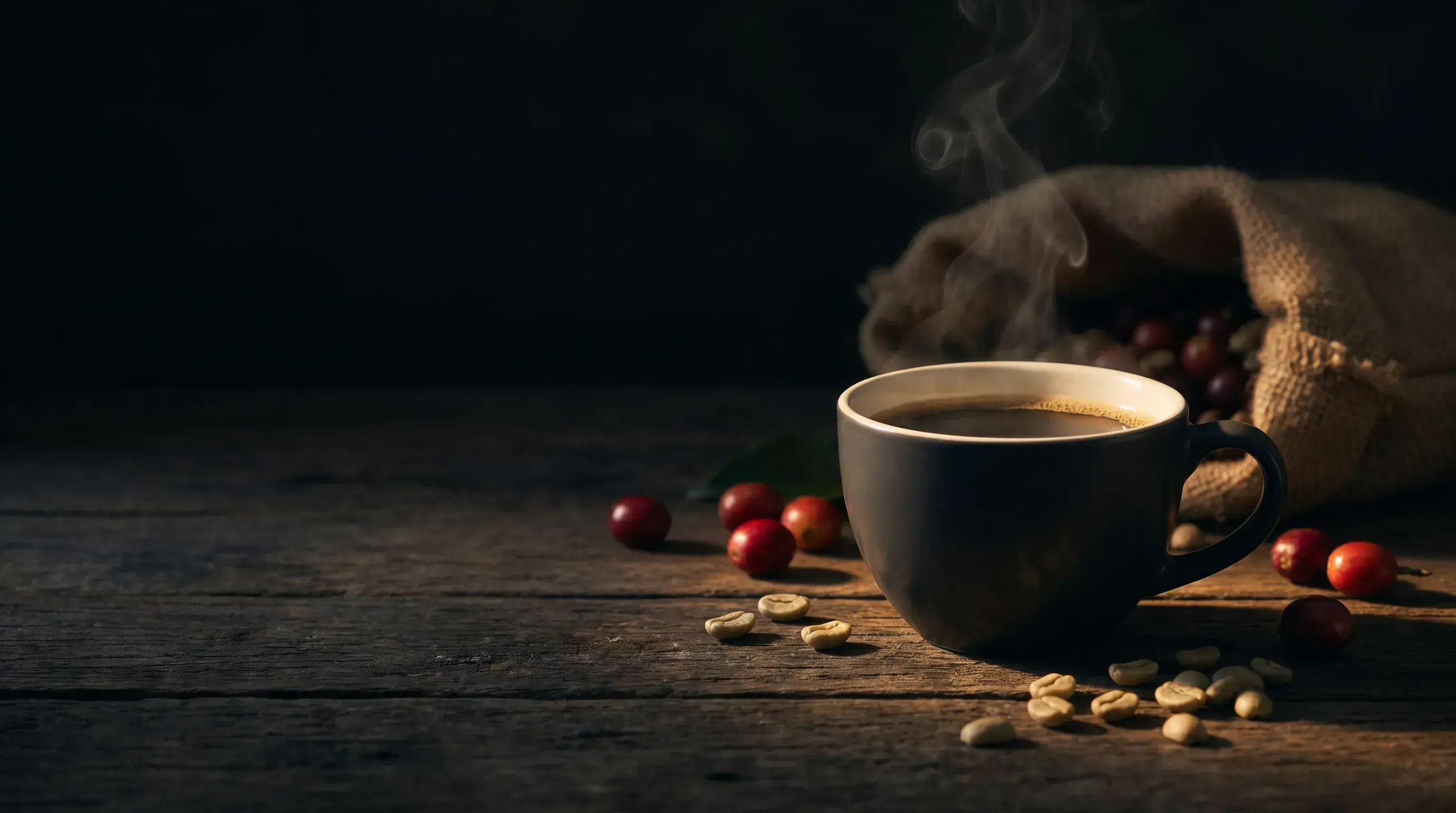
"We don't just sell coffee. We tell the story of the origin, the process, and the passion behind every cup."
— Rafael & Daniela Hernandez, FoundersReady to Discover?
Each microlot is a limited edition. When it's gone, it's gone. If you want to know our current harvest or explore a commercial alliance, contact us.